Your First Beach Hunt
A complete beginner's guide to reading coastal exposures
Learn to read a cliff face like a page of text. Understand which bands hold fossils, when to visit after storms, and what tools to pack for a productive first outing.
Field notes, site reviews, and identification guides from people who actually go out and dig.
Three full-length guides, ungated. Read them now. If you find them useful, there are forty more waiting for members.
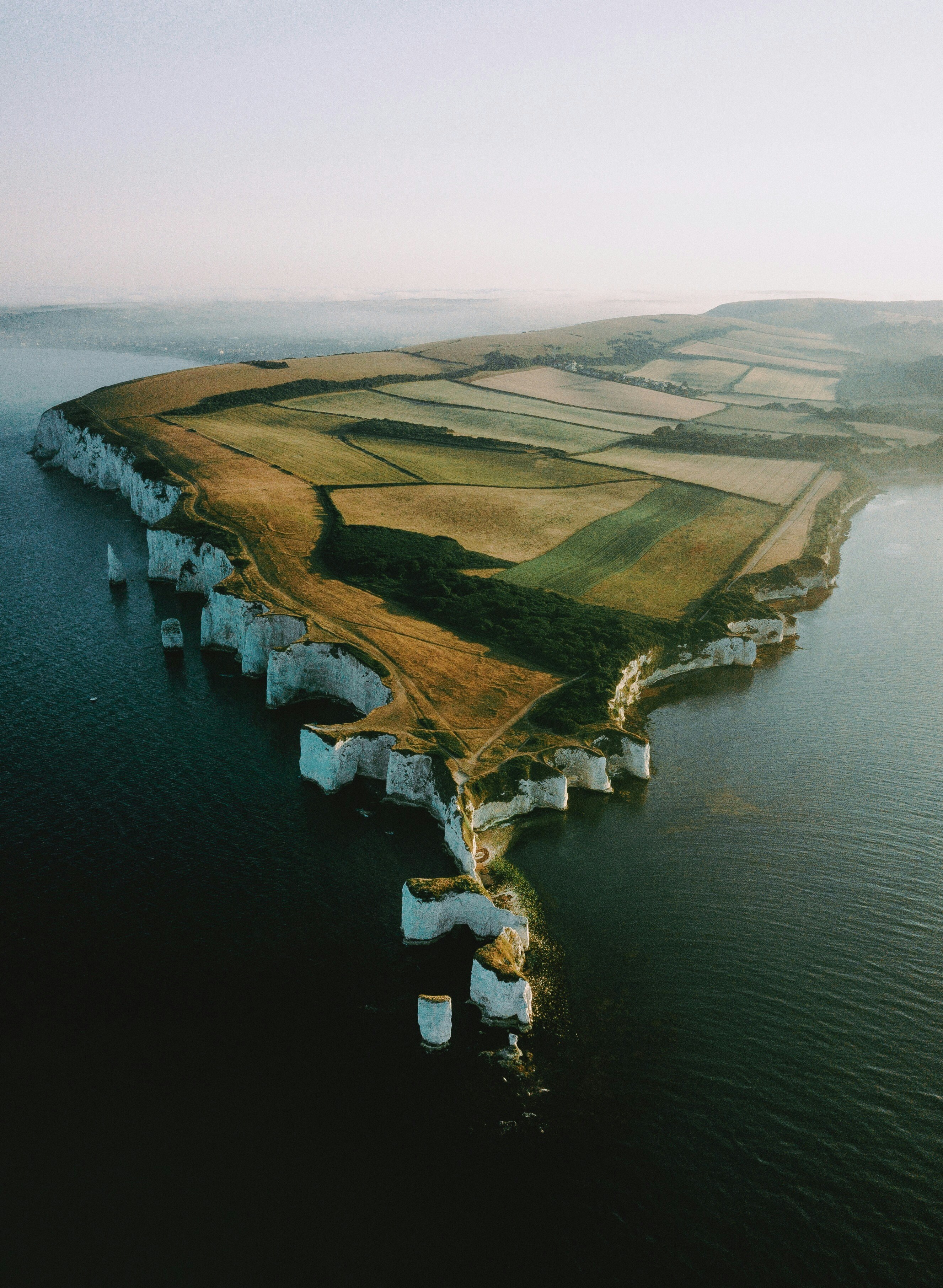
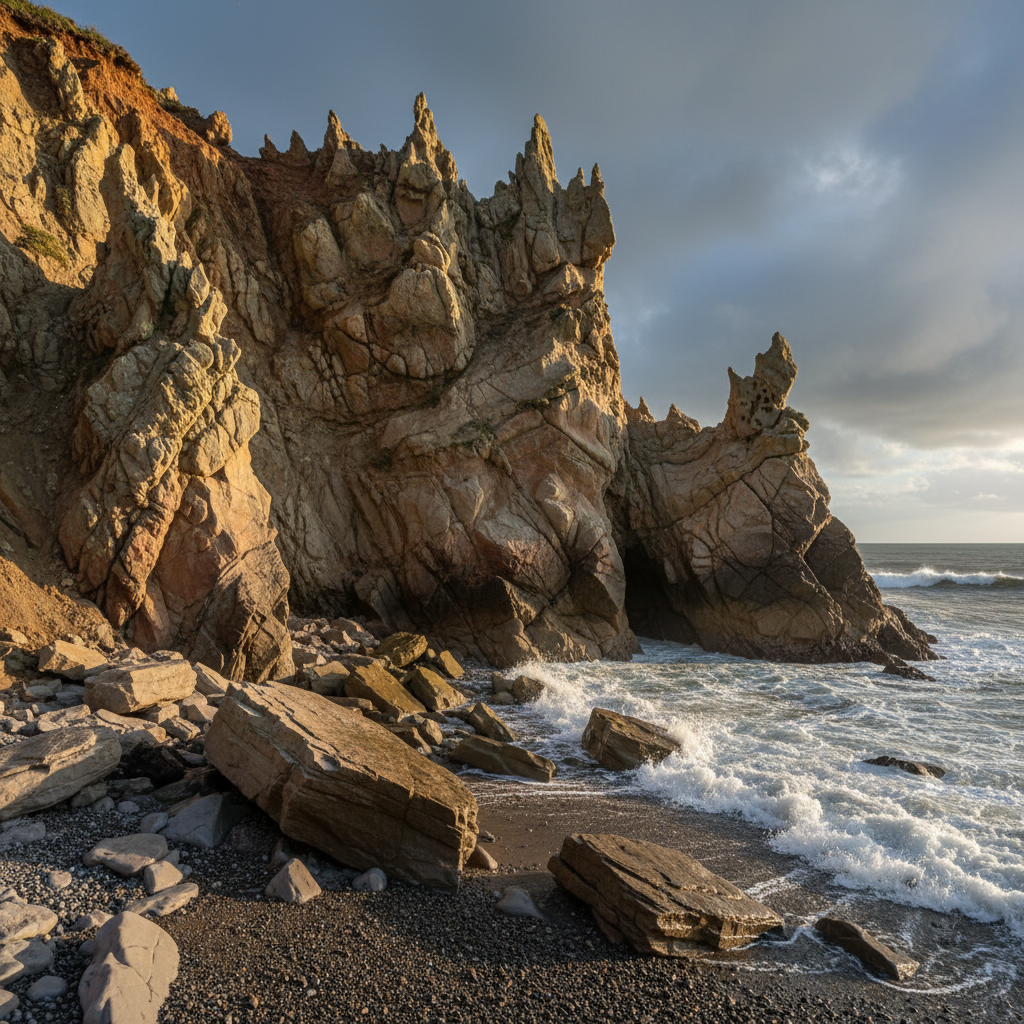
A complete beginner's guide to reading coastal exposures
Learn to read a cliff face like a page of text. Understand which bands hold fossils, when to visit after storms, and what tools to pack for a productive first outing.
Taxonomy in the field without a lab or microscope
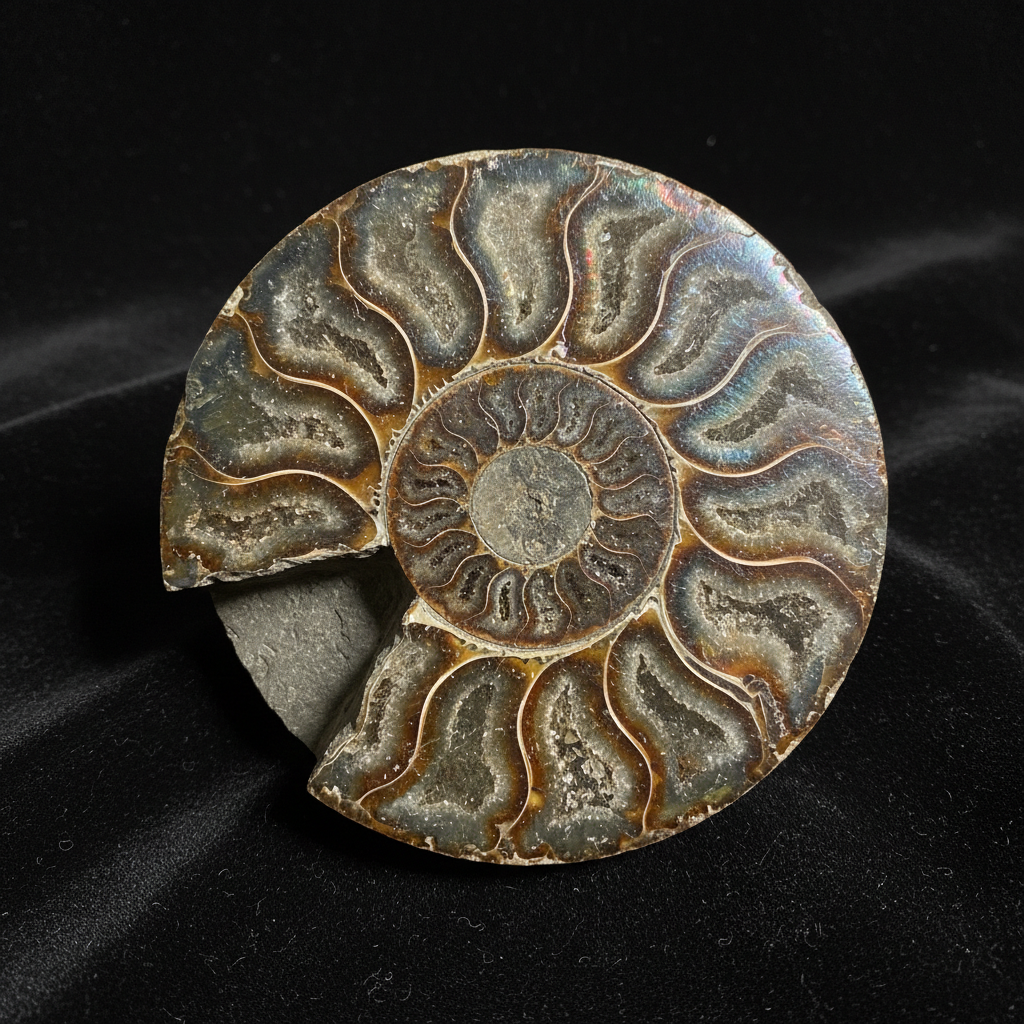
The suture line — where chamber wall meets outer shell — is your best diagnostic tool. This guide walks through goniatitic, ceratitic, and ammonitic patterns with field photographs.
Tide tables, access notes, and what each exposure yields
From Charmouth's mudstone ledges to the Portland limestone beds — a working itinerary built from 200+ site visits, with honest notes on crowds, permits, and yield by season.
Posts move from beginner to advanced as you scroll — join the campfire where everyone has a story and a specimen in their pocket.

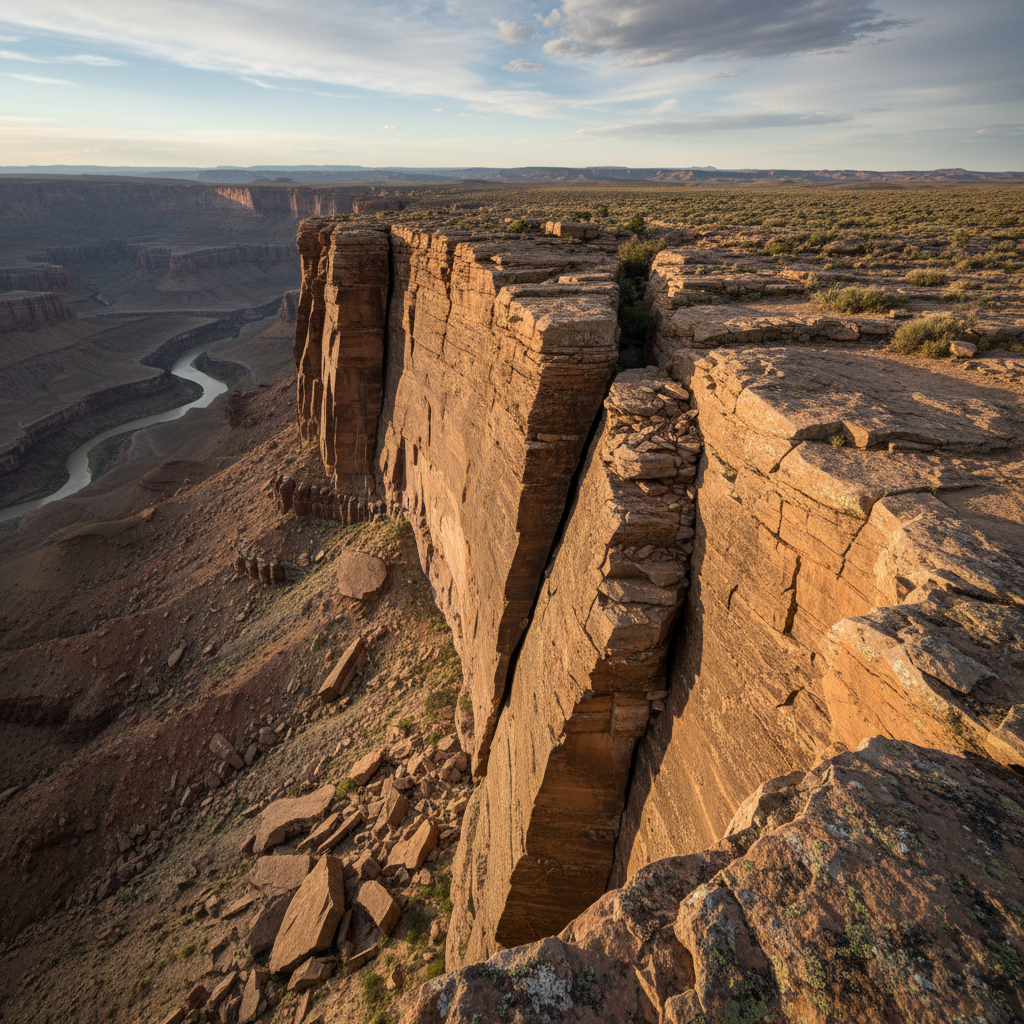
Displacement events that look like damage are often the best news a fossil hunter can find. Learn to trace the hanging wall down to the productive horizon.

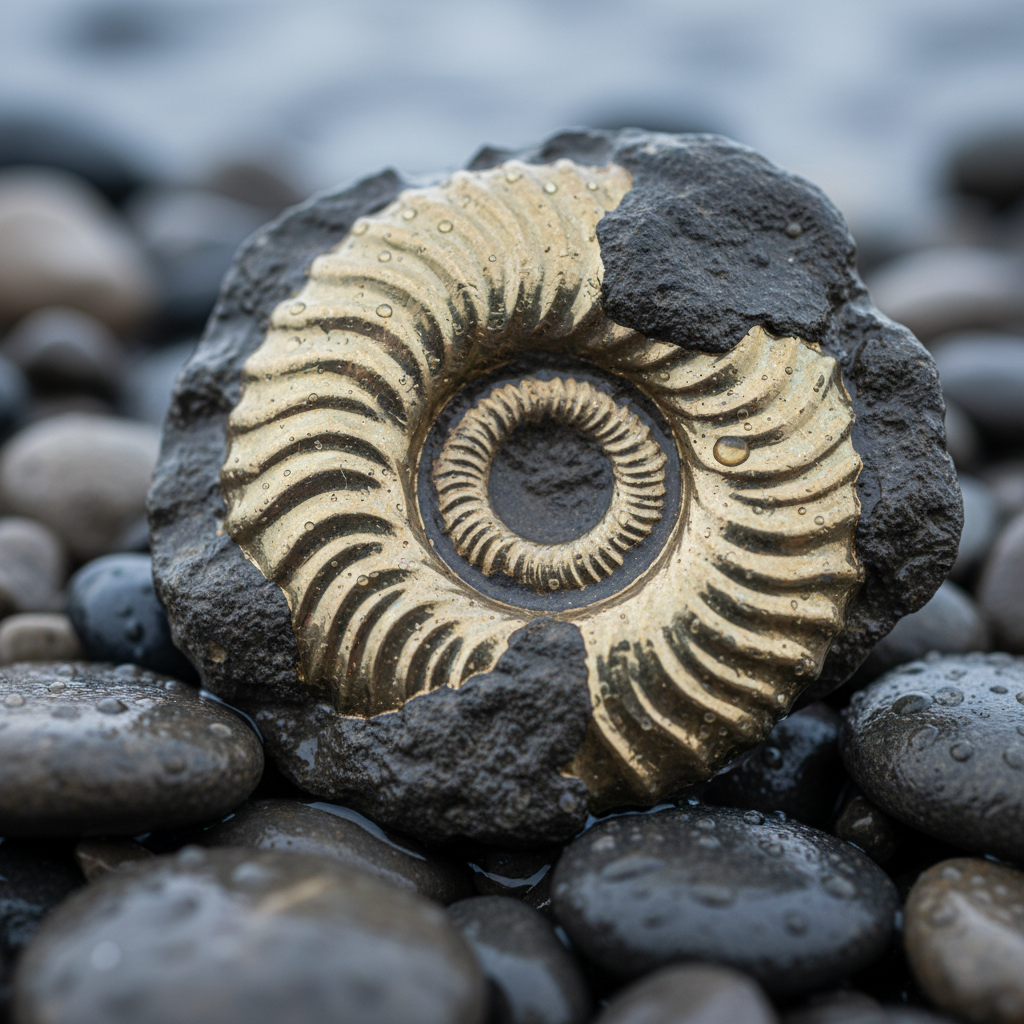
Four hours after the spring tide retreated, the shale platform gave up seven pyrite ammonites in one afternoon. Here's exactly where I was standing.

I'm not looking for fossils. I'm reading a sentence the planet started writing two hundred million years ago.

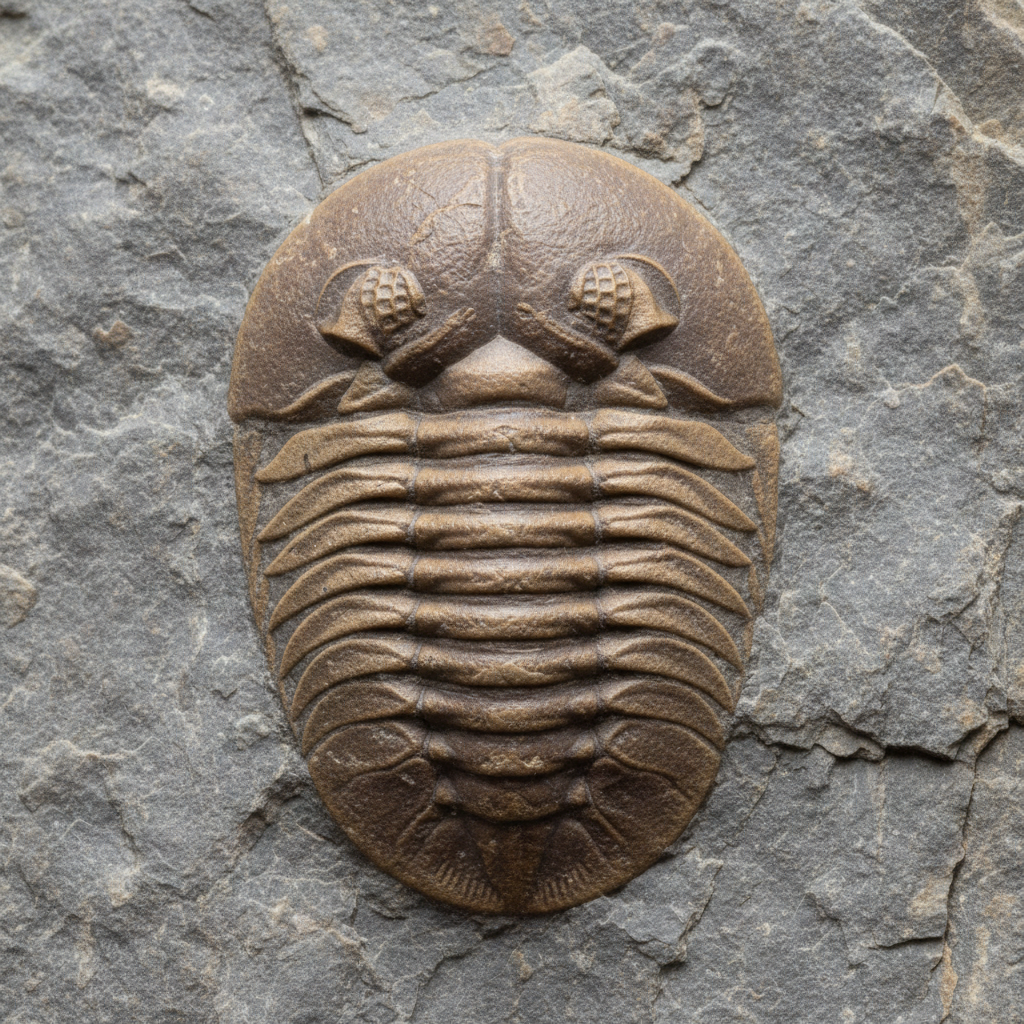
Calymene, Dalmanites, Ogygiocarella — the Welsh borders hold a remarkable trilobite record. This illustrated key covers 23 species you're likely to encounter.

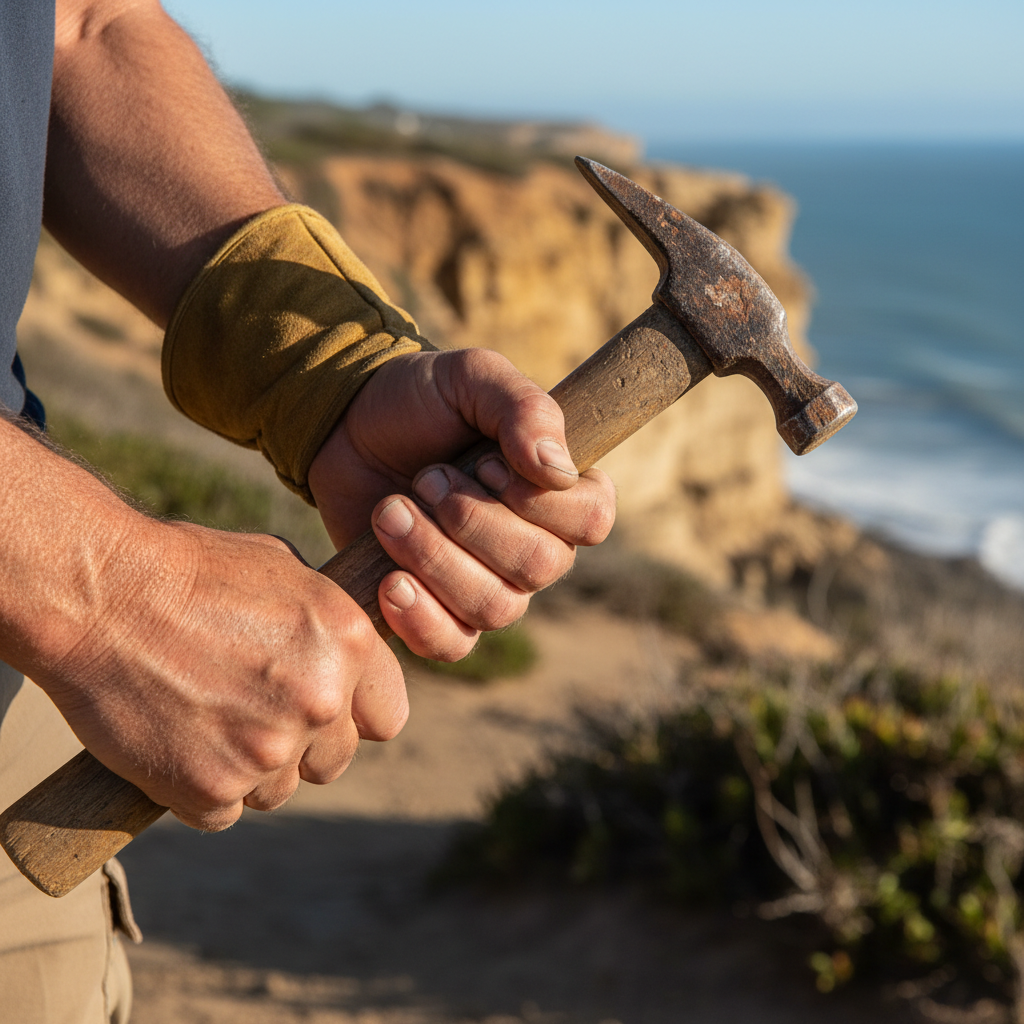
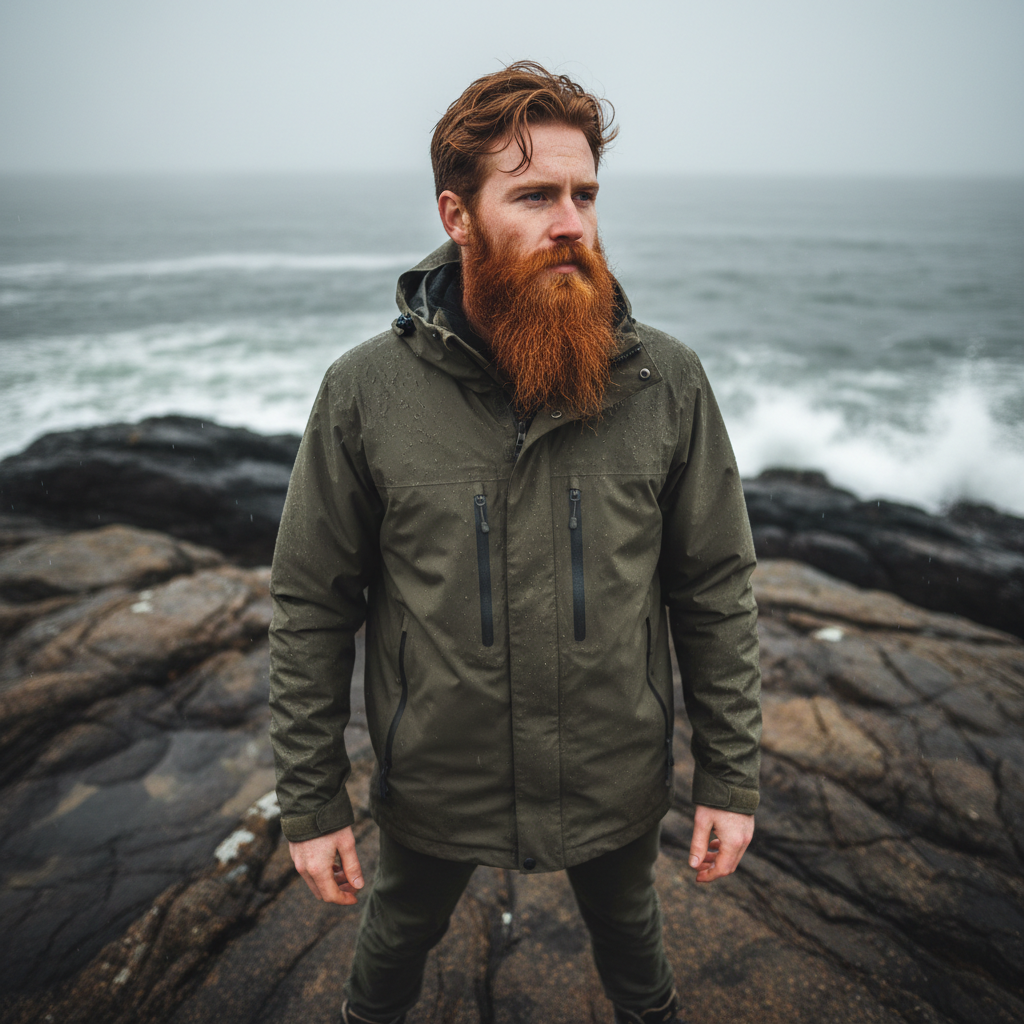
You don't need a van full of equipment. A good hammer, two chisels, a hand lens, and the right jacket will get you further than a trolley of gear.

My kids think it's boring. My kids are wrong. The look on their faces when the stone splits — that's the whole lesson.

Three rules that can save your life: never work under an overhang, always check the tide before you check the cliff, and tell someone exactly where you're going.

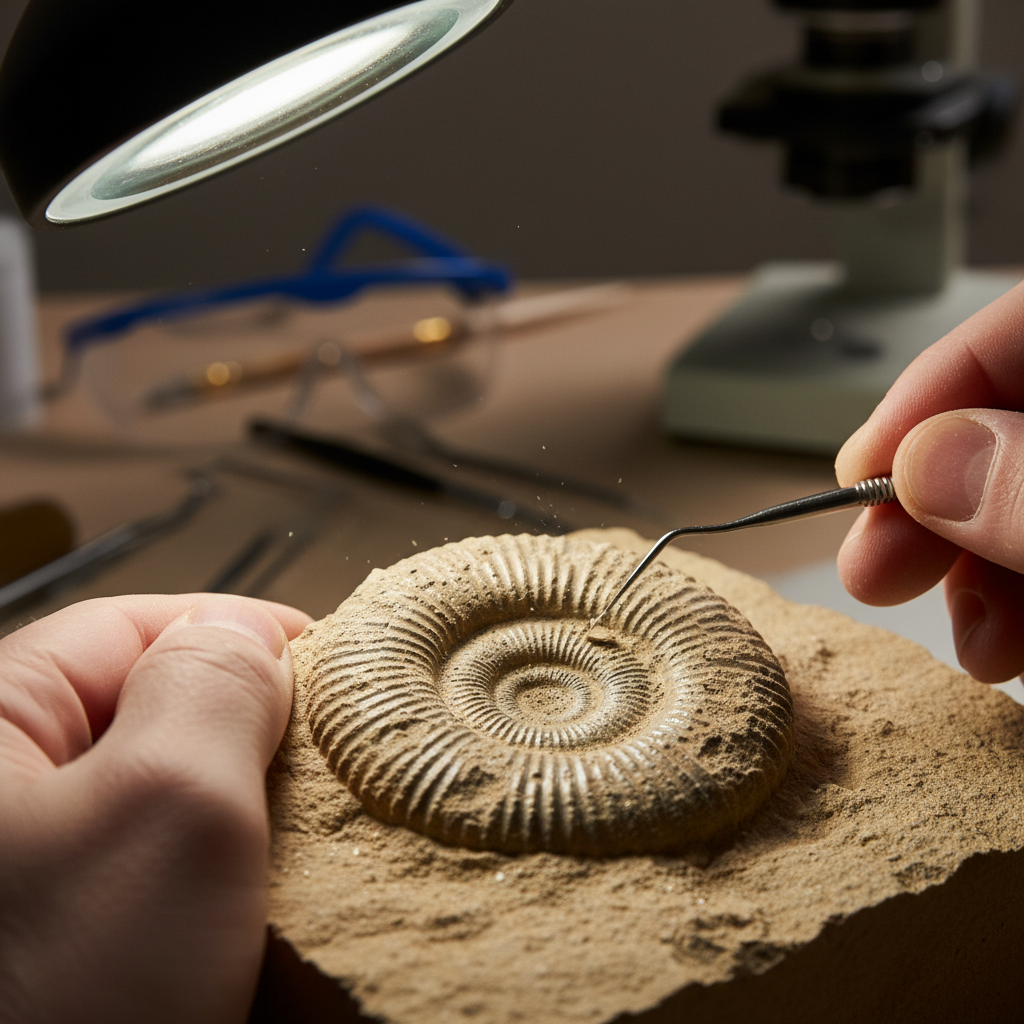
The moment a specimen comes out of the ground, preparation begins. Understanding when to use power tools and when to use patience is the difference between a display piece and rubble.

Every beach tells you something the textbooks can't. You just have to be there when the tide goes out.

Rib density, bifurcation patterns, and the sulcus angle — three measurements you can make with a hand lens that will tell you which Devonian stage you're looking at.
A £12 specimen from a car boot sale can anchor six weeks of curriculum. Here's how to build stratigraphy, evolution, and geological time around a single ammonite.
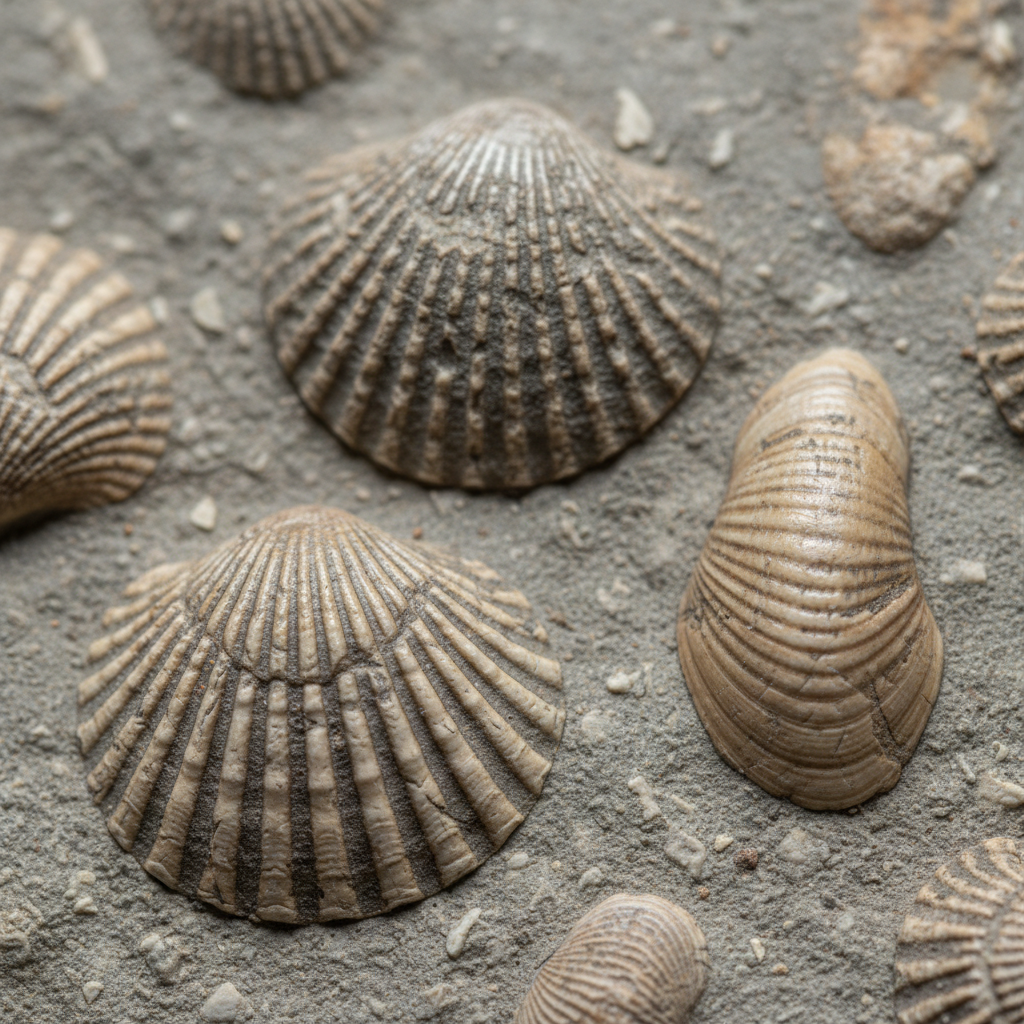
Every specimen in this gallery was found by a reader, split by hand, and photographed in natural light on a grey beach or a kitchen table.

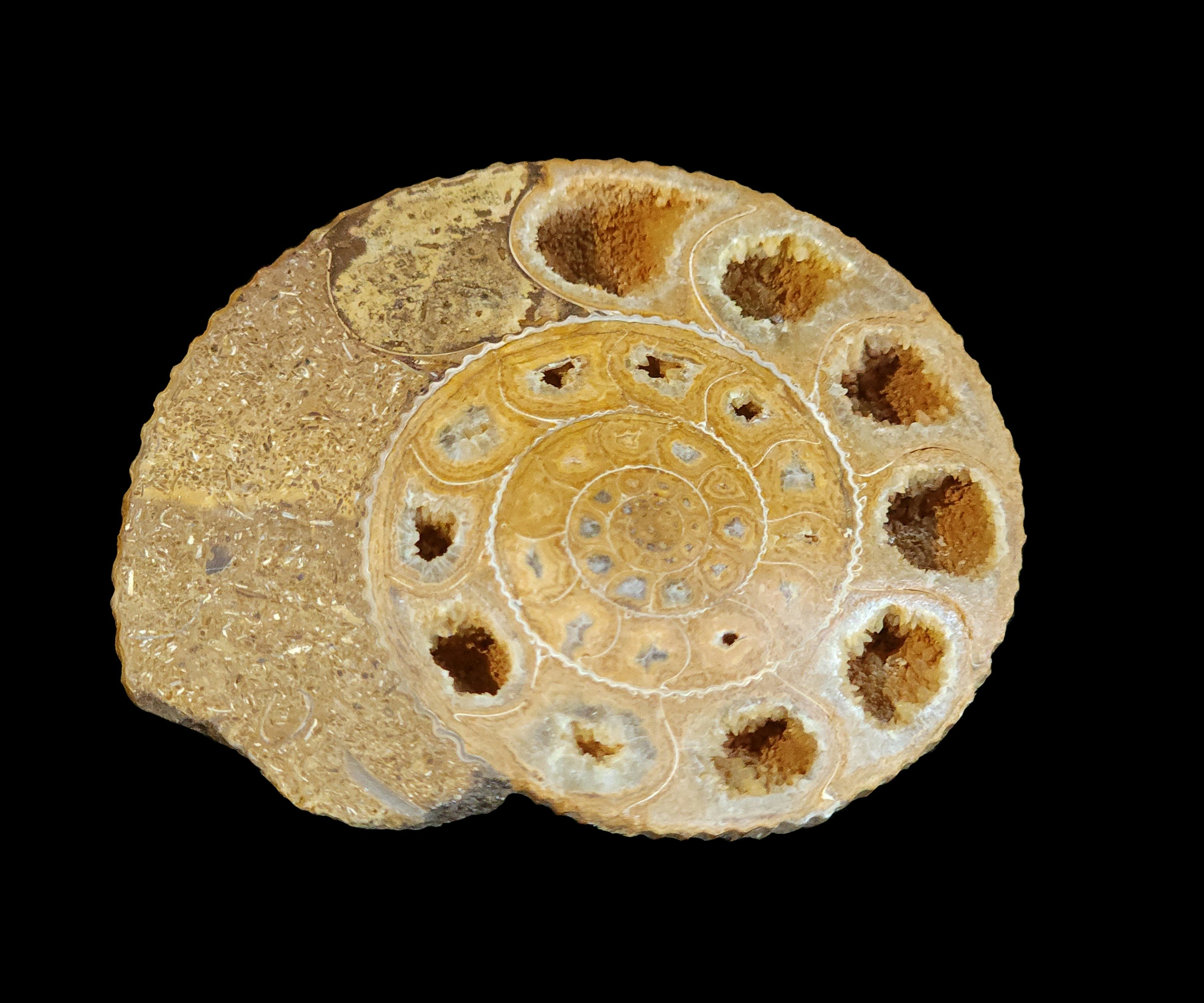
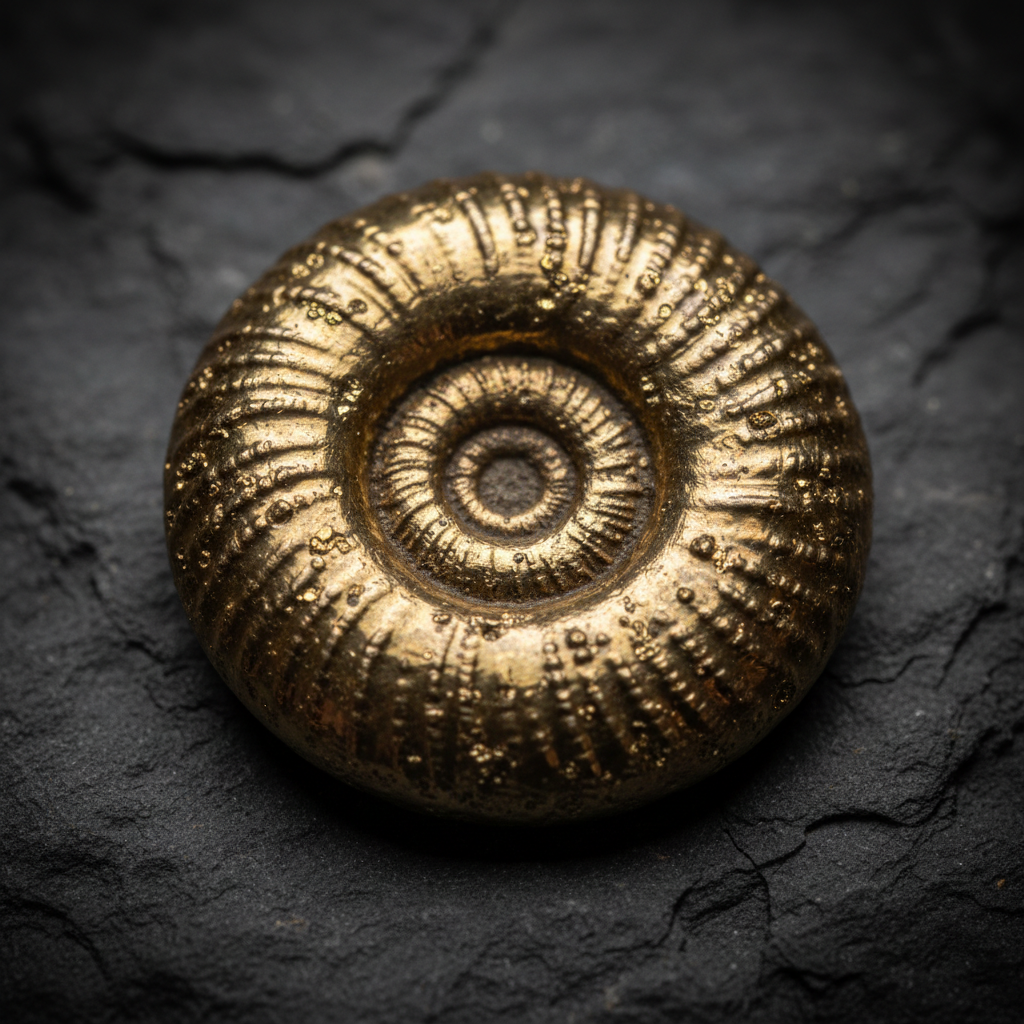
Early Jurassic · 201 Ma
87mm diameter

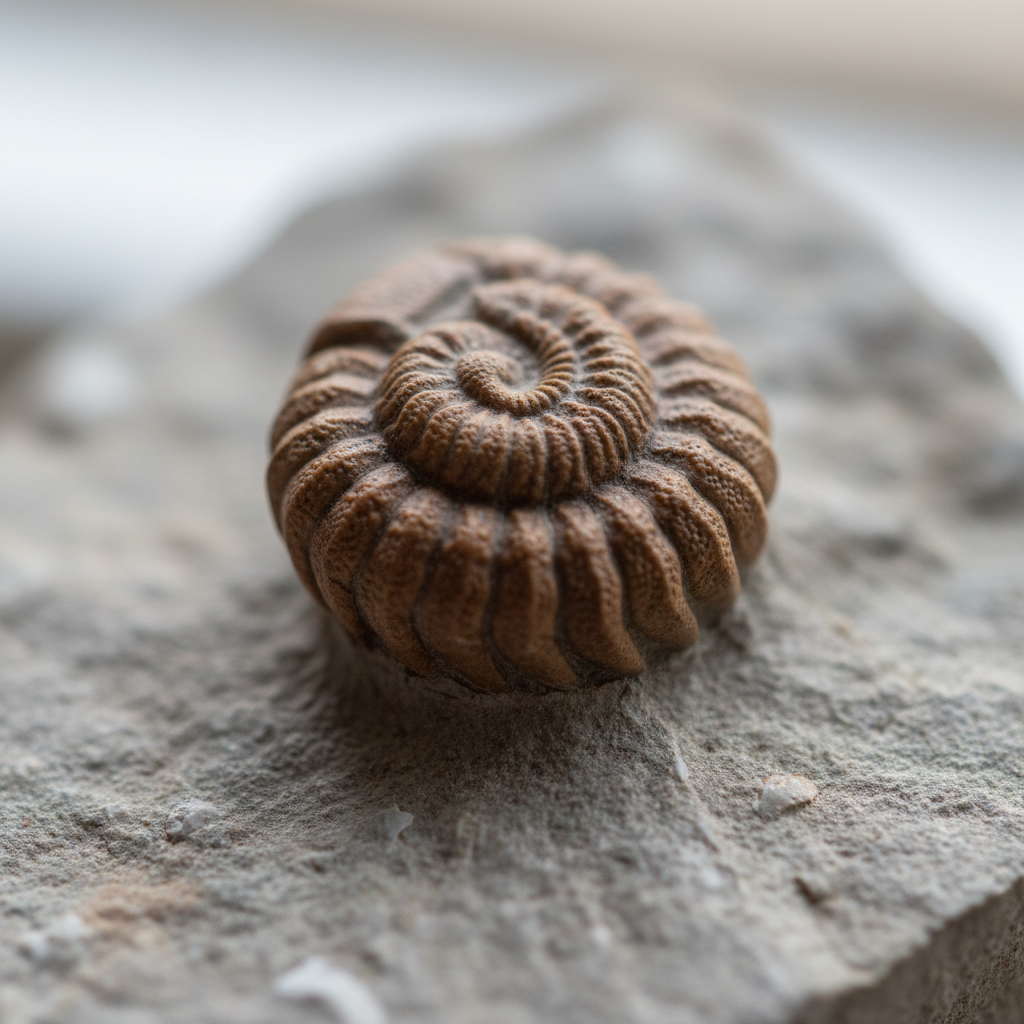
Toarcian · 182 Ma
112mm diameter

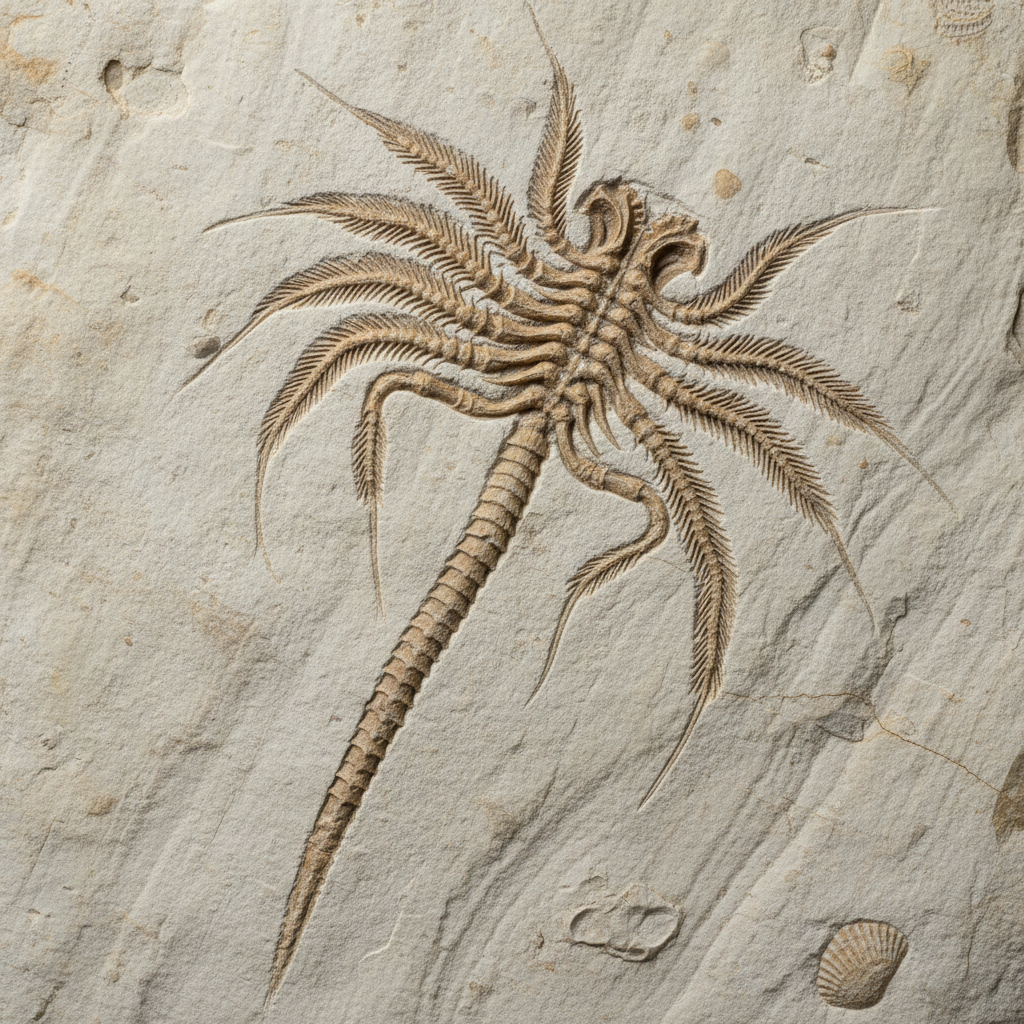
Silurian · 430 Ma
45mm length

Middle Jurassic · 165 Ma
Stem 340mm

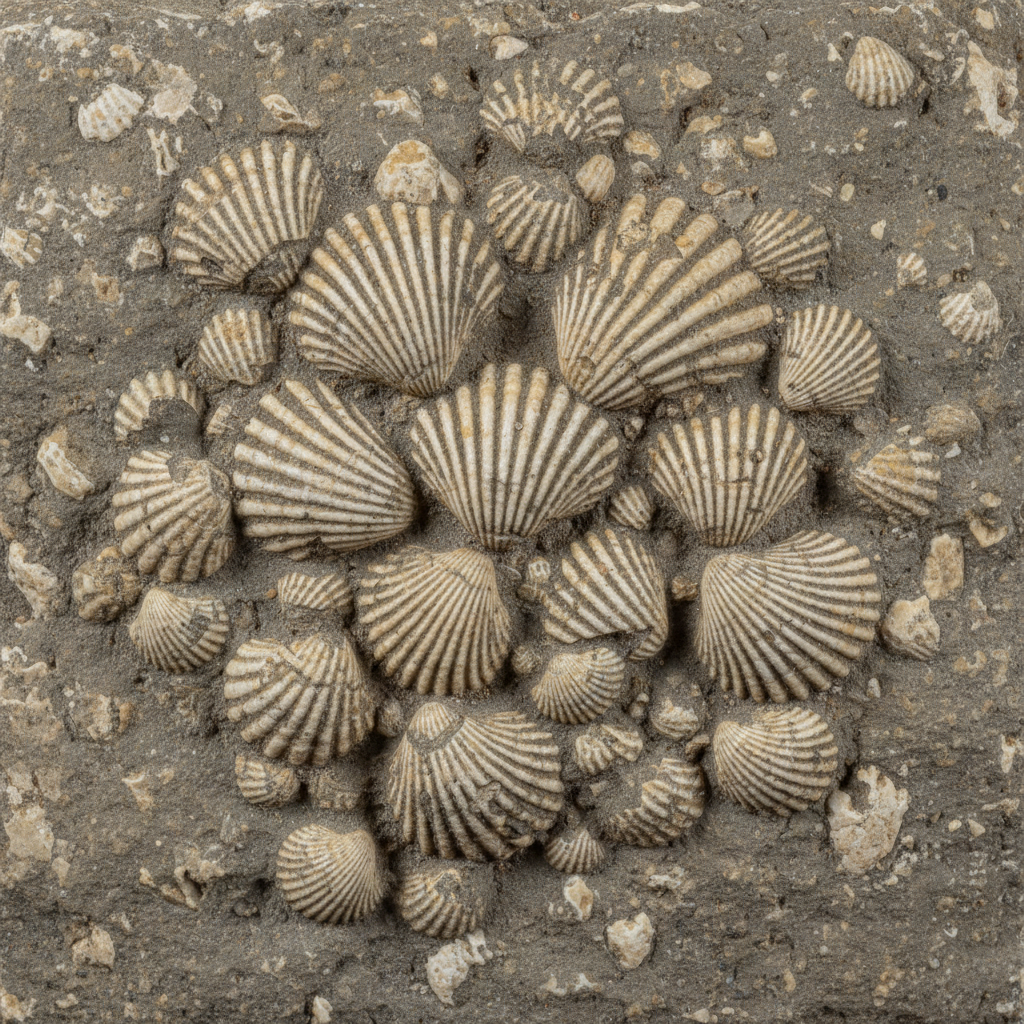
Devonian · 385 Ma
32mm width

Late Cretaceous · 85 Ma
58mm width
Free membership. No algorithm, no noise. Just field notes, new site reports, and access to 40+ guides the moment they're posted.
Name, email, and your favourite hunting region. That's all.
A hand-illustrated PDF of 87 productive UK fossil sites, with access notes and seasonal yield data. Gated behind the same free signup.
Free · No spam · Unsubscribe anytime